Is Dynamic Speed Management Worth It? A Cost-Benefit Breakdown
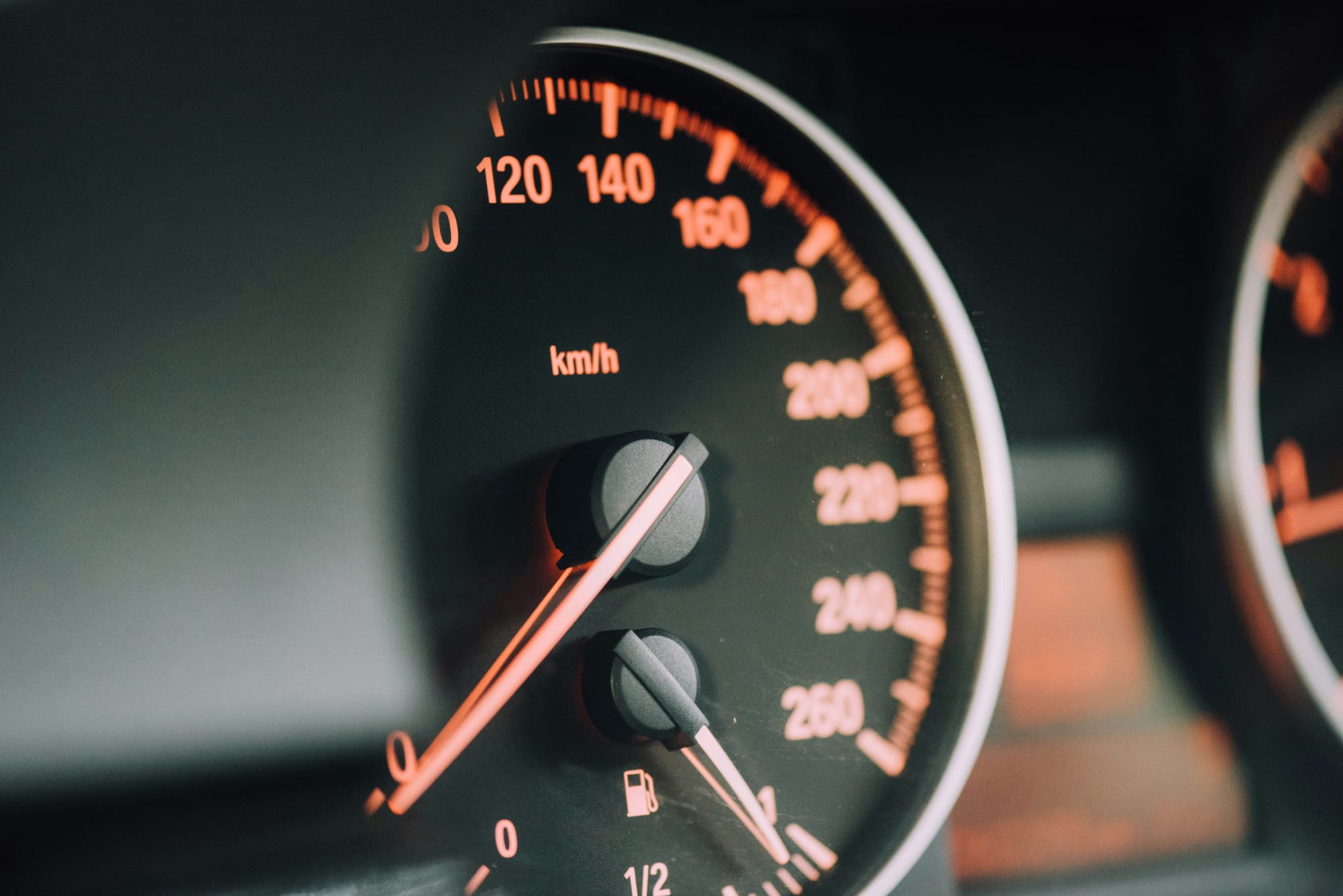
How far has speed management really come in the trucking industry? Not long ago, controlling vehicle speed meant setting a governor and hoping for the best. But as technology evolved and fleet operating margins grew tighter, traditional speed caps started looking less like solutions and more like blunt instruments. Today, fleets are asking a smarter question: can dynamic speed management—using real-time data and adaptive control—achieve better efficiency without compromising delivery times or driver satisfaction?
Dynamic speed management (DSM) represents a more intelligent evolution of traditional speed control systems. Instead of applying a one-size-fits-all speed limit, DSM adjusts vehicle speeds based on multiple factors, including terrain, traffic, load weight, and even weather. The result is a flexible system designed to balance fuel efficiency, safety, and productivity in real time.
Yet the big question remains: does this technology actually justify its cost? While many fleet managers see the logic behind DSM, understanding whether it delivers a true financial and operational return requires a closer look. To uncover the answer, we need to examine how the technology works, what benefits it brings, and what trade-offs it might introduce.
Understanding the Mechanics Behind Dynamic Speed Management
What makes dynamic speed management different from traditional methods? At its core, DSM integrates telematics data, GPS intelligence, and predictive algorithms to regulate speed dynamically. This means that instead of simply setting a static limit—say, 65 mph across the board—the system evaluates conditions in real time and makes precise adjustments.
For example, if a truck is driving downhill with a light load, DSM might reduce engine torque or allow for more coasting to conserve fuel. If the vehicle encounters heavy traffic or adverse weather, the system may automatically limit acceleration or adjust cruise control settings to maintain safety while avoiding unnecessary braking. Over time, these micro-adjustments add up to substantial savings in fuel consumption and mechanical wear.
Dynamic speed systems often integrate directly with existing telematics and route optimization platforms. This integration allows them to factor in external data—such as wind resistance, elevation changes, and traffic density—while aligning performance targets with fleet objectives. Some solutions even learn from historical data, identifying patterns that help refine efficiency strategies across an entire fleet.
What’s fascinating about DSM is that it doesn’t operate in isolation. It’s part of a larger connected ecosystem that includes adaptive cruise control, predictive shifting, and even platooning technologies. The more interconnected the systems become, the more efficiently a fleet can operate.
Still, despite these technological advancements, adoption depends on one crucial factor: measurable return on investment. Fleet managers must be convinced that the savings outweigh the upfront and ongoing costs of implementing such an advanced system.
Weighing the Economic Benefits: Where Savings Come From
Fuel efficiency has always been the biggest motivator for speed control. Every one-mile-per-hour reduction in cruising speed can save roughly one percent in fuel consumption—a fact that still holds true. But DSM takes this concept further by targeting inefficiencies that static speed limits can’t address.
Dynamic systems analyze each segment of a journey, identifying where small adjustments can deliver big gains. A truck may safely maintain higher speeds on flat, low-traffic routes, then automatically reduce velocity on hilly or congested sections where higher speeds waste energy. The result is a smoother driving profile that minimizes rapid accelerations and unnecessary braking—two of the biggest culprits behind wasted fuel.
In real-world trials, fleets using DSM have reported fuel savings between five and ten percent, depending on route type and driving conditions. Over thousands of miles, that adds up to tens of thousands of dollars per year for larger fleets. Add to this reduced mechanical stress on engines, tires, and brakes, and the cost savings extend well beyond fuel alone.
Another often-overlooked benefit lies in driver satisfaction. Static speed governors can frustrate drivers who feel unnecessarily restricted on open highways. Dynamic management offers flexibility and autonomy within safe boundaries, allowing for smoother, more responsive driving. Happier drivers mean less turnover—a significant cost consideration for fleets facing chronic driver shortages.
From an operational standpoint, DSM can also enhance scheduling accuracy. Because it continuously adapts to road and environmental conditions, fleets gain more reliable estimates of arrival times. That predictability translates into better planning, tighter delivery windows, and improved customer satisfaction.
Still, while the savings potential is attractive, DSM systems come with costs of their own—installation, training, maintenance, and data integration among them. To truly determine whether the investment is worthwhile, fleets must carefully analyze not only what they gain but what they spend.
The Cost Equation: Investments, Integration, and Risk
Adopting dynamic speed management isn’t as simple as flipping a switch. The technology requires an upfront investment in both hardware and software, plus a commitment to integrating it with existing telematics and fleet management systems. Depending on the scale of the fleet and the level of customization required, costs can range from hundreds to thousands of dollars per vehicle.
Installation typically includes onboard control modules, sensors, and calibration tools. Beyond equipment, fleets must invest in software licensing and potentially in cloud-based data storage for analytics. Training drivers and technicians adds another layer of cost, especially if the technology introduces new driving protocols or dashboard interfaces.
However, the largest challenge isn’t financial—it’s cultural. For years, many fleets have relied on fixed policies and simple mechanical governors. Transitioning to a system that dynamically adjusts speeds can trigger skepticism among drivers and dispatchers who prefer predictability. A successful rollout often depends on education, transparency, and clear communication about how the system works and why it benefits everyone.
There’s also the question of maintenance. DSM systems rely heavily on data accuracy and sensor calibration. If these components fail or fall out of sync, the system can underperform or, worse, interfere with normal vehicle operations. Regular diagnostics are essential to maintain reliability, adding to ongoing operational costs.
Despite these hurdles, many fleets find that the return on investment becomes clear within the first one to two years. The key lies in evaluating total cost of ownership rather than initial expense. When viewed over a multi-year period, dynamic speed management often pays for itself through fuel savings, reduced wear and tear, and improved driver retention.
The Future Value: From Smart Control to Smart Fleets
Dynamic speed management is more than a trend—it’s a glimpse into the future of intelligent fleet operations. As vehicles become more connected and data-driven, the line between mechanical control and digital intelligence continues to blur. What began as an effort to save fuel is evolving into a comprehensive system for optimizing performance, safety, and sustainability.
One of the most exciting prospects is how DSM will integrate with next-generation technologies like autonomous driving and vehicle-to-vehicle communication. Imagine trucks that coordinate speeds with each other in real time, adjusting collectively for wind resistance, traffic flow, and road grade. In such a world, fuel efficiency isn’t just managed—it’s orchestrated.
Even today, fleets adopting DSM are positioning themselves ahead of regulatory and market shifts toward cleaner, more efficient operations. With sustainability targets becoming a competitive differentiator, the ability to document fuel and emission reductions through smart technologies adds strategic value.
So, is dynamic speed management worth it? The answer depends on how you define worth. If it’s about immediate payback, the numbers can vary. But if it’s about long-term efficiency, operational intelligence, and environmental responsibility, DSM represents one of the most promising investments in modern fleet management.
For fleets willing to look beyond the surface—and embrace curiosity, innovation, and data-driven discipline—the real payoff isn’t just in fuel saved. It’s in the journey toward a smarter, more adaptive future on the open road.
