Proven Fleet Results Achieved Through Dynamic Speed Management
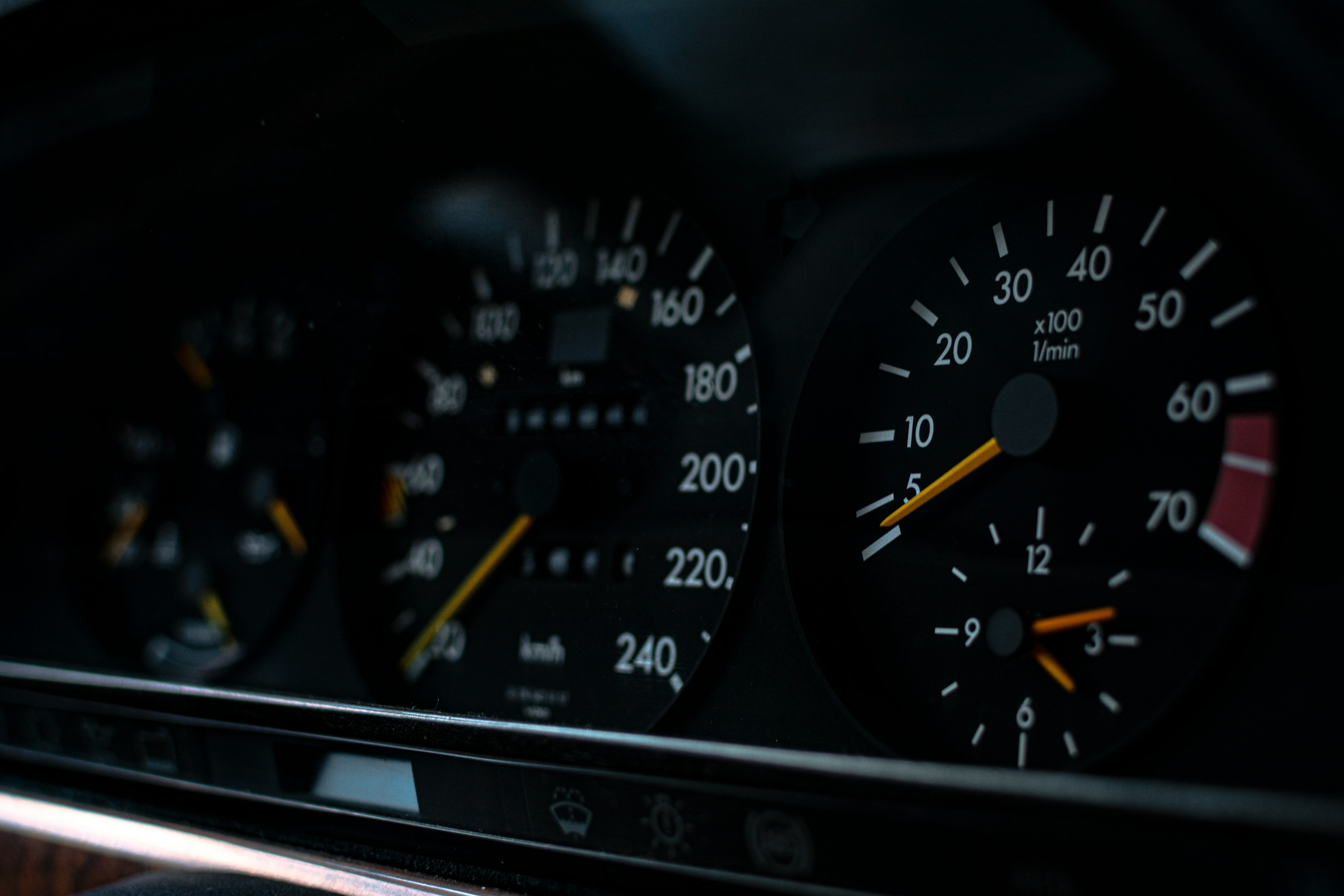
Across the United States, modern fleet operators are achieving remarkable progress by integrating dynamic speed technologies supported by forward-thinking platforms like ESMART, creating real-world success stories that demonstrate measurable improvements in safety, fuel efficiency, and operational reliability. These experiences highlight how intelligent speed control is redefining what it means to run a high-performing fleet in today's demanding transportation landscape.
Reinventing Fleet Operations Through Smarter Speed Oversight
Dynamic speed management has become a driving force behind more predictable fleet performance. Fleets that once struggled with inconsistent speed patterns now report smoother, steadier travel conditions across varying terrains and road environments. With automated speed adjustments guided by route design and regulatory requirements, drivers maintain control with less stress, and vehicles operate in a more balanced, controlled manner from start to finish.
Fleet supervisors emphasize the value of having transparent, real-time visibility into speed behavior across all vehicles. This level of insight helps managers identify performance gaps, refine route planning, and create targeted improvement strategies that support both driver success and operational goals. As fleet operations become better aligned through these insights, companies experience fewer disruptions and greater overall consistency across daily routes.
Elevating Safety Standards Through Consistent Driving Behavior
Safety outcomes linked to dynamic speed management are among the most impactful improvements reported by fleets. Automated speed control eliminates risky behaviors associated with speeding, sudden braking, and rapid acceleration—factors that have historically contributed to collisions and near-misses. With technology regulating vehicle speed, drivers experience a calm, more predictable driving rhythm that enhances reaction time and protects everyone on the road.
Mechanical systems benefit significantly from this stability. Controlled speed reduces strain on engines, transmissions, and braking systems, decreasing the likelihood of unexpected mechanical failures. Maintenance teams note improved vehicle health, with fewer emergency repairs and extended lifespans across essential components. These enhancements support consistent uptime and improved fleet readiness for time-sensitive operational demands.
Drivers also experience a positive cultural shift. Many report that automated speed management reduces fatigue, encourages safer habits, and provides a strong sense of support during long shifts. This increased comfort leads to smoother communication across teams, greater trust in operational decisions, and a shared commitment to safer, more responsible driving behavior.
Fuel Conservation and Long-Term Cost Efficiency
Fuel efficiency remains one of the most influential success outcomes for fleets implementing dynamic speed management. By maintaining optimal speed thresholds and preventing unnecessary acceleration, fleets see a measurable reduction in fuel waste. These improvements become especially valuable for companies operating across long-distance routes, where fuel budgets play a critical role in maintaining profitability.
Reduced speed volatility also contributes to lower long-term maintenance costs. When vehicles experience less mechanical strain, fleet operators can avoid costly repairs and extend the life of key components. This shift toward predictable, preventative maintenance allows companies to reinvest savings into expansion opportunities, updated technologies, or upgraded fleet assets—further strengthening long-term operational sustainability.
Data insights generated from speed-control technology help fleets refine efficiency strategies even further. Managers use these analytics to understand driving patterns, route performance, and operational weaknesses, leading to informed decisions that optimize cost efficiency and streamline daily workflows. These stories consistently show how dynamic speed systems support ongoing financial stability while enhancing overall fleet productivity.
Simplifying Compliance and Strengthening Driver and Community Relations
Dynamic speed management has emerged as a powerful tool for ensuring compliance with regional and national speed regulations. Automated systems keep vehicles within legal speed limits across all designated zones, helping fleets reduce citations and maintain strong relationships with regulatory agencies. This compliance not only protects companies from costly penalties but also strengthens their operational reputation in the communities they serve.
Drivers benefit significantly from the reduced regulatory pressure. With technology ensuring speed alignment, drivers can focus more fully on road awareness, navigating complex routes, and maintaining a safe distance from surrounding traffic. This reduced mental burden contributes to higher job satisfaction and improved driver retention across the organization.
Communities also appreciate the positive impact of fleets operating with consistent speeds. Reduced noise, safer neighborhood driving patterns, and responsible vehicle behavior create an environment of trust that supports smoother interactions with the public. These community-oriented outcomes help fleets strengthen strategic partnerships and maintain a positive presence in high-traffic regions.
Achieving Long-Term Transformation Through Intelligent Speed Innovation
Dynamic speed management often becomes a catalyst for deeper organizational evolution. Fleet leaders who initially integrate the technology to address specific challenges—such as high accident rates or rising fuel costs—soon discover broader advantages that reshape their operational strategies. These improvements include stronger policies, better communication channels, and more unified goals across all departments.
Drivers, technicians, dispatchers, and supervisors all benefit from the more controlled and predictable environment created by intelligent speed systems. Drivers experience reduced stress, maintenance teams manage more stable service schedules, and managers rely on precise data to guide decision-making. This integrated structure enhances the entire fleet ecosystem and promotes long-term efficiency across every operational layer.
The real-world stories shared by fleets reinforce a powerful truth: dynamic speed management is not simply a tool—it is a long-term investment that elevates stability, safety, and performance. As more fleets adopt intelligent speed technologies, the transportation industry continues to evolve toward a safer, brighter, and more resilient future shaped by consistent, technology-driven excellence.
