Why Every Modern Fleet Should Use a Commercial Truck Speed Limiter
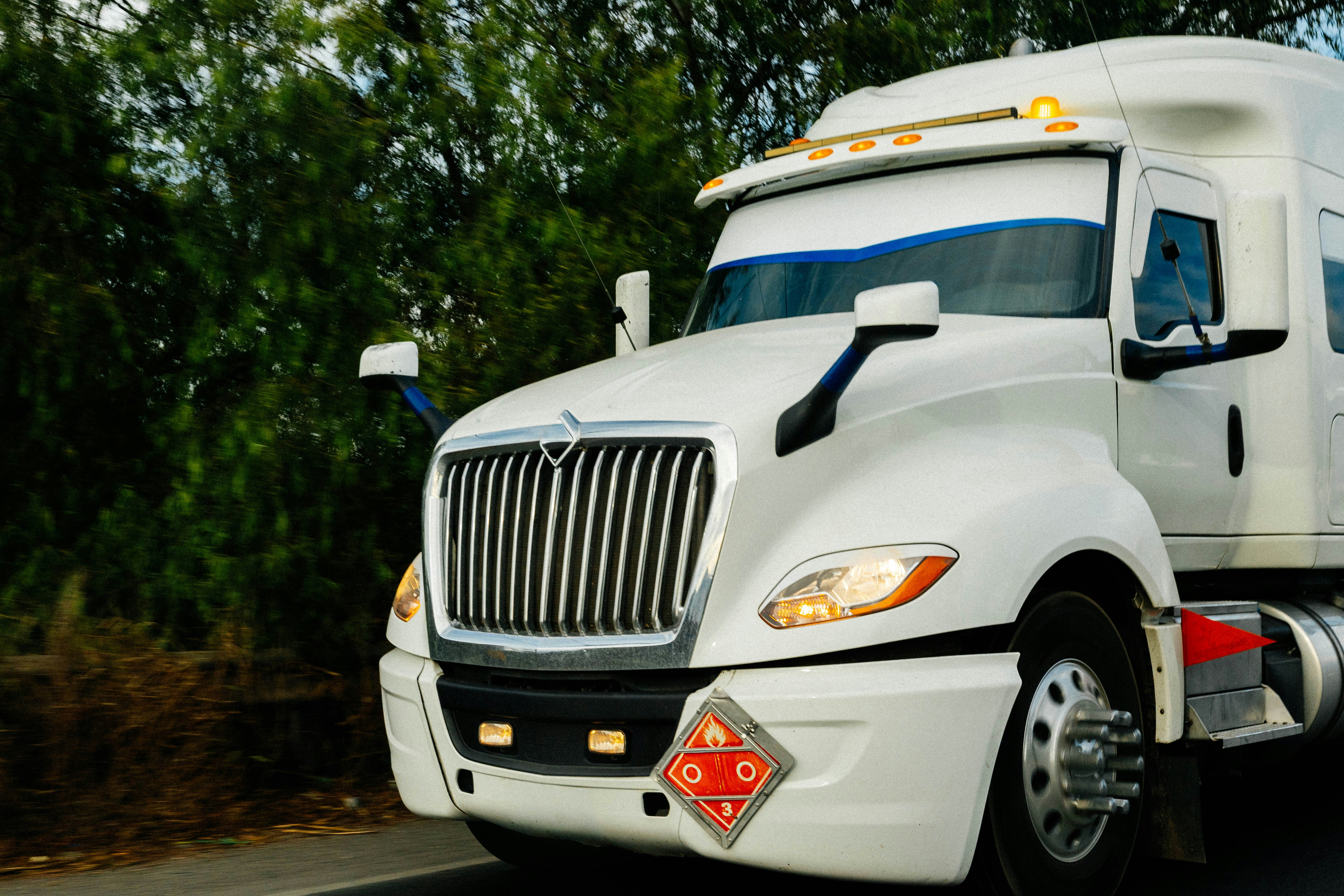
Commercial trucking remains the backbone of modern logistics and supply chains. Every day, fleets transport goods across thousands of miles of highways and local roads. While efficiency is essential for meeting delivery timelines, safety must remain the top priority for fleet operators. One of the most effective tools for supporting safe driving practices is the commercial truck speed limiter.
A speed limiter is designed to control how fast a commercial truck can travel. By preventing vehicles from exceeding a set speed threshold, these systems reduce the risks associated with excessive speed and help fleets maintain consistent safety standards. As transportation companies continue to adopt more advanced safety technologies, modern speed limiter systems are becoming an important part of responsible fleet management.
Innovative companies such as ESMART are leading the way in developing advanced speed management technologies that provide fleets with greater control and visibility. Through intelligent systems that enforce speed compliance and monitor vehicle behavior, ESMART helps transportation providers build safer, more efficient operations. For fleets looking to reduce risk and protect drivers, implementing a commercial truck speed limiter is an important step toward long-term safety improvements.
Why Speed Control Is Essential in Commercial Trucking
Speed is one of the most critical factors influencing road safety. Commercial trucks are significantly larger and heavier than passenger vehicles, which means they require longer distances to slow down or stop. When trucks travel at high speeds, the potential consequences of sudden braking or unexpected traffic changes become much more severe.
Professional drivers are trained to operate vehicles safely, but they often face demanding schedules and long routes. These conditions can increase the temptation to exceed safe driving speeds, particularly on open highways or during time-sensitive deliveries.
Excessive speed creates several risks for commercial fleets:
• Reduced time for drivers to react to hazards
• Increased stopping distance for heavy vehicles
• Greater severity of collisions
• Increased fuel consumption and operating costs
• Higher exposure to legal liability
Because of these risks, transportation companies are increasingly relying on technology to enforce safe driving speeds rather than relying solely on driver behavior.
A commercial truck speed limiter ensures that trucks operate within defined speed limits, helping fleets reduce accidents and improve overall safety performance.
How a Commercial Truck Speed Limiter Works
A commercial truck speed limiter is an electronic system that restricts the maximum speed a vehicle can reach. These systems typically integrate with the truck’s engine control module or operate through telematics platforms that monitor vehicle data.
Earlier versions of speed-limiting technology relied on simple engine governors. These governors restricted engine output when a vehicle reached a preset speed. While effective at limiting top speed, these systems offered limited oversight and flexibility for fleet managers.
Modern speed limiter technology has advanced significantly. Today’s systems combine vehicle sensors, GPS technology, and fleet management software to enforce speed policies more effectively.
Advanced speed management systems can include several capabilities, such as:
• Intelligent speed assistance
• GPS-based speed regulation
• Real-time driver behavior tracking
• Remote fleet monitoring
• Automatic enforcement of safety policies
Technology providers like ESMART are helping fleets implement integrated safety platforms that combine speed control with broader driver monitoring capabilities.
These systems enable fleet operators to better control vehicle operations while improving safety outcomes.
Challenges With Traditional Speed Governors
Although many commercial trucks already use engine governors, these systems often lack the flexibility required for modern fleet operations. A basic governor typically sets one maximum speed for all driving conditions.
However, commercial vehicles frequently operate in a wide range of environments, including busy city streets, industrial areas, and rural highways. Each of these environments may require different speed limits to ensure safe operation.
Another limitation of traditional governors is the lack of real-time data reporting. Without immediate access to driver performance data, fleet managers may struggle to identify unsafe driving patterns or enforce company policies.
Modern speed management systems address these challenges by offering dynamic control over vehicle speed.
ESMART has introduced Intelligent Speed Assistance (ISA) technology that automatically enforces speed limits according to fleet policies and road conditions. One of the most important aspects of this system is that it is non-overridable, meaning drivers cannot bypass the speed restrictions. By ensuring that speed limits cannot be overridden, fleets can maintain consistent safety standards across all vehicles.
ESMART’s Role in Advancing Fleet Safety Technology
ESMART is a fleet safety technology provider dedicated to helping transportation companies reduce accidents and operational risks. Since its founding in 2018, the company has focused on developing tools that help fleets prevent unsafe driving behaviors before they lead to incidents.
The ESMART platform includes several features designed to support effective speed management.
Intelligent Speed Assistance
ESMART’s ISA technology automatically enforces speed limits based on fleet policies and driving environments, ensuring consistent speed compliance.
Geofencing Speed Limits
Fleet managers can establish speed limits for specific geographic areas, allowing trucks to operate at safe speeds in urban zones, industrial sites, or high-risk locations.
Real-Time Monitoring
Fleet operators gain real-time visibility into vehicle performance and driver behavior through centralized monitoring systems.
Additional Safety Solutions
Beyond speed management, ESMART offers features such as low bridge collision prevention and remote vehicle immobilization to reduce other common fleet risks.
By combining these tools into a single platform, ESMART enables fleets to build a comprehensive commercial truck speed limiter strategy that supports safer, more efficient operations.
Industry Resources for Fleet Safety Education
Fleet managers exploring speed limiter technology often consult industry resources to understand better how these systems fit into broader safety strategies. One resource frequently used for safety research is https://fleetsafetycontrol.com. This platform provides information on fleet safety practices, speed management technologies, and transportation risk-reduction strategies. Reviewing industry insights alongside technology solutions helps transportation companies make informed decisions about improving safety programs.
Access to reliable information allows fleet operators to evaluate different approaches and determine which solutions best meet their operational needs.
Operational Benefits of Speed Limiter Systems
While safety improvements are the primary reason fleets install speed-limiter technology, these systems also offer several operational advantages.
Fuel Efficiency Improvements
Operating trucks at controlled speeds can significantly reduce fuel consumption, lowering long-term operating expenses.
Reduced Vehicle Wear
Driving at moderate speeds places less stress on mechanical components such as engines, brakes, and tires.
Improved Insurance Risk Profile
Insurance providers often view fleets that adopt proactive safety technologies as lower-risk operations.
Stronger Compliance Performance
Speed limiter systems help fleets reduce violations and maintain stronger safety records.
Consistent Driving Standards
Automatic speed enforcement ensures that drivers follow the same safety policies regardless of route or experience level.
These operational benefits make speed limiter systems a valuable investment for transportation companies seeking both safety improvements and cost efficiency.
The Future of Speed Management in Commercial Transportation
The trucking industry is rapidly embracing new technologies that improve safety and operational oversight. As regulatory expectations evolve and road safety becomes an even greater priority, fleets are turning to technology-driven solutions that actively prevent dangerous driving behaviors. The commercial truck speed limiter is becoming a foundational tool within modern fleet safety programs. By combining automated speed control with real-time monitoring, fleets can significantly reduce accident risks and improve driver accountability.
With companies like ESMART continuing to innovate in fleet safety technology, transportation providers now have access to advanced systems that support safer roads and more efficient fleet management. For organizations committed to protecting drivers, reducing liability, and improving operational performance, adopting modern speed limiter technology represents an important step toward a safer future in commercial transportation.
